At some point, almost every man or woman who starts worrying about their hair hears the same warning:
"Stop wearing hats. That's why you're losing your hair."
It sounds believable. Hats cover the scalp, trap heat, and spend hours pressed against your head. If you're already noticing a thinning crown or a receding hairline, it's easy to wonder whether your favorite baseball cap is making things worse.
The reality is far less dramatic.
Despite how common the belief has become, there is no strong scientific evidence that regularly wearing a hat causes male pattern hair loss. Yet the myth continues to spread because it seems to match what many people are already experiencing.
The problem is that correlation and causation are not the same thing.
Why the Myth Refuses to Die

Think about who wears hats most often.
Athletes. Outdoor workers. Men and women who spend time in the sun. Men who may already be self conscious about their hairline.
Now consider another fact. Male pattern hair loss affects a large percentage of men during their lifetime. When hair thinning and hat wearing occur together, people naturally assume one caused the other.
In reality, the most common cause of hair loss remains androgenetic alopecia, a condition heavily influenced by genetics and DHT.
DHT, short for dihydrotestosterone, can gradually shrink susceptible hair follicles over time. As follicles become smaller, hair often grows back thinner and weaker during each cycle until overall hair density begins to decrease.
A hat cannot create that biological process.
What Actually Matters for Hair Growth


One reason the hat myth persists is because people often focus on visible habits instead of invisible causes.
Hair growth begins beneath the surface of the scalp. Follicles respond to a complex combination of genetics, hormones, circulation, inflammation, nutrition, and overall scalp health.
That is why modern hair care has increasingly shifted toward scalp wellness rather than cosmetic coverups.
Someone who spends years obsessing over whether a hat is causing hair loss may completely overlook the factors that actually influence long term hair density.
The condition of the scalp itself often deserves far more attention.
For a deeper explanation of the science behind scalp health and hair growth, our Why It Works page explores the research in greater detail.
Can Hats Damage Hair?

There is one small caveat worth mentioning.
A very tight hat that constantly creates friction could potentially contribute to breakage of existing hair strands. That is not the same thing as follicle miniaturization or permanent hair loss.
Broken hairs and thinning hair are often confused, but they are fundamentally different issues.
Healthy follicles can continue producing new strands even if existing hairs experience occasional mechanical damage.
For most people, a comfortable hat is unlikely to have any meaningful impact on long term hair growth.
Why Rosemary Oil Entered the Hair Growth Conversation

As understanding of scalp health has evolved, rosemary oil has become one of the most discussed ingredients in modern hair care.
Its rise was accelerated by a widely cited clinical study comparing rosemary oil with 2% minoxidil in individuals experiencing androgenetic alopecia. After six months, researchers observed significant increases in hair count among participants using rosemary oil consistently. (pubmed.ncbi.nlm.nih.gov)
The study helped shift attention toward ingredients associated with scalp health and hair density rather than outdated myths about hats, shampoo frequency, or other commonly misunderstood topics.
Today, many people exploring natural hair growth support begin by learning about rosemary oil's growing role within scalp focused routines.
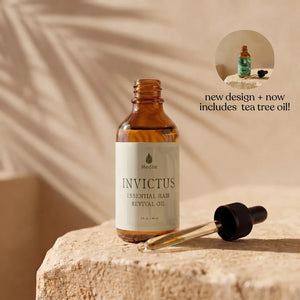
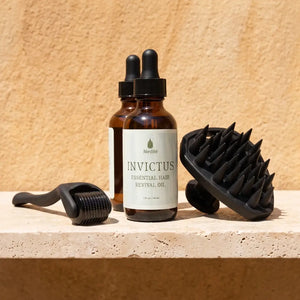
Our Invictus Essential Hair Revival Oil was created around that same philosophy, emphasizing premium ingredients and long term consistency rather than quick fixes.
Why So Many Hair Loss Myths Exist

Hair loss creates uncertainty.
When people do not fully understand why their hair is changing, they naturally search for explanations. Sometimes those explanations become myths that survive for decades despite lacking scientific support.
The belief that hats cause hair loss sits alongside other common misconceptions, including the idea that washing your hair too often causes baldness or that scalp visibility under bright lights automatically means severe hair loss.
Many of these concerns stem from observing a symptom without understanding the underlying biology.
That is why education is often one of the most valuable tools in any hair growth journey.
Building a Routine Around Facts Instead of Fear

The most effective hair care routines tend to focus on things that actually matter.
Scalp health. Consistency. High quality ingredients. Long term habits.
People who spend less time worrying about myths and more time understanding follicle health are often better positioned to make informed decisions about their hair care routine.
For those just beginning that journey, our Medíté Starter Kit was designed to simplify the process. It currently includes complimentary free U.S. shipping over $35 and free welcome gifts.
The Bottom Line

If you've been wondering whether your hat is secretly causing hair loss, the evidence points strongly in one direction.
Probably not.
The factors most closely associated with hair thinning are far more complex than what sits on top of your head. Genetics, DHT sensitivity, follicle health, and scalp condition play much larger roles in determining how your hair changes over time.
So wear the hat if you like.
Just don't blame it for what your follicles are doing underneath.