For a lot of people, hair thinning doesn't begin with visible hair loss.
It begins with an uncomfortable scalp.
An itch that keeps coming back. A feeling of irritation around the hairline. Increased sensitivity after a shower. Sometimes the scalp feels oily, other times dry. Then, weeks or months later, many people start noticing something else: their hair does not look quite as full as it used to.
That connection has led thousands of people to ask the same question:
Is an itchy scalp related to hair loss?
The answer is more nuanced than most people realize.
The Scalp Is an Environment, Not Just Skin

When people think about hair growth, they often focus on the hair itself.
In reality, every strand of hair grows from a follicle embedded within the scalp. The condition of that environment plays a major role in how healthy hair looks and feels over time.
An itchy scalp can develop for many reasons. Dryness, product buildup, excess oil production, irritation, inflammation, and certain skin conditions can all contribute to discomfort.
While itching itself does not directly cause baldness, persistent scalp irritation can be a sign that the scalp environment is not functioning at its best.
That is one reason scalp health has become such a major focus within modern hair care.
Why Thinning Hair and Scalp Irritation Sometimes Appear Together

One of the most common causes of hair thinning in men is androgenetic alopecia, often called male pattern hair loss.
As hair follicles gradually become smaller over time, changes within the scalp can become more noticeable. Some individuals report increased sensitivity, itching, or irritation during periods when hair thinning becomes more apparent.
Researchers are still studying the relationship between inflammation, scalp health, and hair growth. What is becoming increasingly clear is that a healthy scalp supports healthier looking hair.
That shift in understanding has moved many hair growth conversations away from quick cosmetic fixes and toward long term scalp wellness.
Why Rosemary Oil Became Part of the Conversation

Rosemary oil is often discussed alongside hair growth because it sits at the intersection of traditional use and modern scientific interest.
A clinical study published on PubMed compared rosemary oil with 2% minoxidil in individuals experiencing androgenetic alopecia. After six months, researchers observed significant increases in hair count among participants using rosemary oil consistently. (pubmed.ncbi.nlm.nih.gov)
While the study focused on hair growth rather than scalp itching specifically, it helped establish rosemary oil as one of the most researched natural ingredients in the modern hair care space.
Today, people exploring solutions for thinning hair often encounter rosemary oil while researching scalp health, hair density, and long term hair growth routines.
If you're interested in the science behind rosemary oil and scalp focused hair care, our Why It Works page breaks down the research and formulation approach in greater detail.
The Hidden Problem With Constantly Changing Products

Many people respond to scalp discomfort by buying new shampoos, new oils, new treatments, and new routines every few weeks.
Ironically, that can sometimes make the problem worse.
The scalp often responds best to consistency. Constantly introducing new ingredients makes it difficult to understand what is helping and what may be causing irritation.
The same principle applies to hair growth routines. Hair follicles operate on long cycles, which means meaningful changes usually happen over months rather than days.
That is one reason premium hair care formulations increasingly focus on creating products people can comfortably use as part of a long term routine.
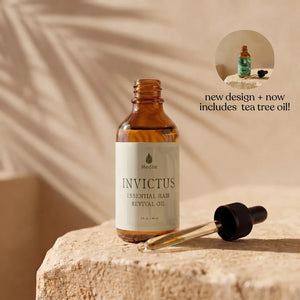
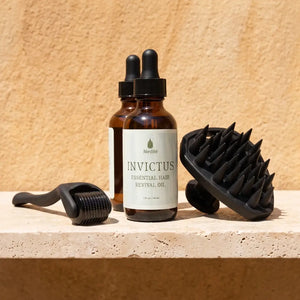
Our Invictus Essential Hair Revival Oil was developed with exactly that goal in mind: supporting scalp wellness through a formula designed for consistency rather than short term intensity.
When an Itchy Scalp Is Worth Paying Attention To

Not every itch is a warning sign.
Sometimes the cause is as simple as dry weather, a new shampoo, or temporary irritation.
But when scalp discomfort persists alongside increased shedding, visible thinning, or changes in hair density, it may be worth taking a closer look at overall scalp health.
Many people begin researching why their scalp itches before they ever search for hair growth solutions. In that sense, scalp discomfort can sometimes be the first signal that something has changed within the broader hair care picture.
The Future of Hair Growth Starts With the Scalp

The biggest shift happening in the hair care industry is not a new ingredient or a new trend.
It is a growing recognition that healthier looking hair starts with a healthier scalp.
That idea has changed how people think about thinning hair, hair density, and long term hair wellness. Instead of focusing solely on the strand of hair they can see, more people are paying attention to the environment where that hair begins.
For anyone dealing with both scalp irritation and thinning hair, that may be the most important insight of all. The scalp is not separate from the conversation about hair growth.
It is where the conversation starts.